%2Ffit-in%2F250x250%2Fguide_websites%2F3501%2Fimages%2F8b08fcb6-39b4-4dba-a41c-8a01b48c7f09.png&w=1920&q=100)
Shorthead Redhorse Fishing in Newaygo County Michigan
Shorthead Redhorse Fishing in Newaygo County - What to Expect
%2F%2Fusers%2F43f26b36-7810-4e7f-b49a-9bcf9b840318%2Fimages%2Fshorthead-redhorse-newaygo-county-michigan-2296.jpg&w=1920&q=75)
Guided Fishing Trip by Team Reel'd In Outdoors Guide Service in June
Meet your Team Isaac Shields
- Guided fishing trips


Summary
Join a guided fishing trip in Newaygo County, Michigan on Friday, June 12th to target Shorthead Redhorse. This hands-on experience connects you with a skilled local guide who knows the lake environment and understands how to locate and land these powerful fish. Perfect for anglers seeking authentic freshwater fishing with professional expertise.
Guided Fishing Trip with Isaac Shields - Rates & Booking
Team members from Reel'd In Outdoors Guide Service on Friday, June 12th are ready to put you on productive Shorthead Redhorse water in Newaygo County. Isaac Shields brings local knowledge and hands-on guidance to maximize your time on the lake. Contact Reel'd In Outdoors Guide Service directly to book your trip and discuss available rates, group size, and any gear or license requirements for your guided experience.
Highlights of Your Shorthead Redhorse Fishing Trip
Shorthead Redhorse are strong fighters that demand solid technique and quality equipment. This guided trip showcases what makes Newaygo County a productive fishery - clear lake water, structured habitat, and healthy fish populations. Your guide will show you prime holding areas and explain the seasonal patterns that make this location consistent for quality fishing opportunities throughout the year.
You'll experience the satisfaction of hooking into a powerful redhorse and learning the subtleties of working these fish in their native environment. The lake setting provides scenic surroundings while you focus on practical fishing skills that carry over to other freshwater opportunities.
Local Species Insights: Shorthead Redhorse
Shorthead Redhorse are bottom feeders that inhabit lakes and river systems across the Midwest. They're built for strength - muscular bodies and powerful tails that give them impressive fight characteristics. Unlike some panfish, Shorthead Redhorse put real pressure on your line and require confident rod handling. These fish prefer areas with structure, including drop-offs, rocky points, and deeper holes where they hunt for invertebrates and small organisms on the lake floor.
In Newaygo County's lake system, Shorthead Redhorse congregate during specific seasonal windows when water temperature and food availability align. They respond to live bait presentations and require patience - you're working bottom structure where these fish feed naturally. Your guide understands the seasonal movements and reads water conditions to identify where fish are staging on any given day.
The experience of pursuing Shorthead Redhorse teaches valuable lessons about understanding fish behavior and habitat preferences. These aren't aggressive surface strikers - they demand subtle presentations and attentiveness to your line. Successfully catching Shorthead Redhorse builds your foundation as a freshwater angler and deepens your appreciation for the species' role in the lake ecosystem.
Newaygo County offers ideal conditions for targeting these fish. The lake's depth, clarity, and forage base support healthy populations that reward anglers who approach the fishery methodically. Your guide's local familiarity means you're not guessing about where fish are likely to be - you're fishing informed locations based on years of on-water experience.
Fishing in Muskegon: Shorthead Redhorse
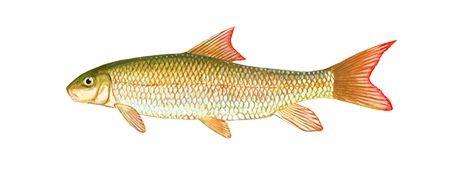
Shorthead Redhorse (Moxostoma macrolepidotum) belongs to the family Catostomidae and order Cypriniformes. This distinctive bottom-feeding sucker is a common inhabitant of North American waterways, recognizable by its silvery coloration, dark olive-brown back, and striking reddish-orange fins and forked tail. What makes the shorthead redhorse truly unique is the pea-shaped swelling on its upper lip—an evolutionary adaptation that helps it extract food from rocky and gravelly substrates. Throughout the Great Lakes, Mississippi River basins, and Atlantic Slope drainages, anglers and naturalists alike have long appreciated this species as an indicator of water quality. Whether you're exploring rivers in Missouri or streams in Illinois, spotting a healthy population of shorthead redhorse is a sign you're in a thriving aquatic ecosystem.
Shorthead Redhorse Overview
The shorthead redhorse is a common sucker species found throughout much of North America, primarily in clear to semi-turbid waters with moderate to strong currents. Unlike many gamefish, this species is prized not for its fighting ability or culinary value, but rather as an ecological indicator of healthy, high-quality aquatic environments. Anglers often encounter them incidentally while fishing for other species, and they're frequently used as live bait for larger predators. Their presence in a waterway suggests good water quality and stable habitat conditions, making them valuable to both recreational anglers and environmental scientists monitoring stream health.
Shorthead Redhorse Habitat and Distribution
This species thrives in lakes, streams, and rivers where water clarity is good and current is present. They prefer riffles and runs with sand, gravel, or rock bottoms that provide ideal feeding opportunities. The shorthead redhorse's native range is extensive, spanning from the Great Lakes eastward toward Montreal and Vermont, throughout the Mississippi River basins, and across Atlantic Slope drainages. They're particularly abundant in locations like the Kankakee River in Illinois, the Genesee River in New York, and the Paint Rock River in Alabama. In the southern reaches of their range, they've been documented in the Flint River and Cypress Creek in Florida, as well as Shoal Creek in Texas and various Ozark rivers in Missouri. The Lake of the Woods in Minnesota supports sizable populations and represents one of the northernmost strongholds for the species. These fish commonly coexist with smallmouth bass, blackside darters, hornyhead chubs, and central stonerollers, though they often go unnoticed by anglers focused on larger game species. They frequently inhabit the same areas as silver redhorse and golden redhorse, leading to occasional misidentification among less experienced observers.
Shorthead Redhorse Size and Weight
The shorthead redhorse is a relatively small fish compared to many North American sucker species. Typical specimens measure between 9 and 18 inches in length and weigh 1 to 3 pounds, with an average length around 11 inches. However, under ideal conditions with abundant food and stable habitat, they can reach up to 30 inches and weigh as much as 5 pounds—though catches of this size are relatively rare. Most anglers will encounter individuals in the 10- to 15-inch range during typical fishing outings. The sexual dimorphism is subtle, though breeding males develop small tubercles (rough bumps) on all fins except the dorsal, most noticeably on the anal and tail fins during spawning season.
Shorthead Redhorse Diet and Behavior
As a bottom-feeding sucker, the shorthead redhorse is an efficient and diverse feeder, consuming insect larvae, mayflies, water fleas, caddisflies, small mollusks, scuds, worms, and various other aquatic invertebrates. The species actually consumes more insects than any other sucker species, giving it a competitive advantage in nutrient-rich ecosystems. Their unique upper lip structure—that distinctive pea-shaped swelling—functions as a specialized feeding tool, allowing them to suction food directly from rocks and gravel on the stream or lake bottom. This adaptation minimizes competition with other bottom feeders, as few other fish possess the same precise feeding mechanism. They're most active during daylight hours and prefer to maintain position in moderate to strong currents where food naturally drifts toward them. Unlike some aggressive fish species, shorthead redhorse are relatively peaceful and non-confrontational, spending much of their time quietly foraging on the substrate. They avoid turbid or murky waters, likely because suspended sediment interferes with their vision and feeding efficiency. Interestingly, this species demonstrates better adaptability to directional changes in their habitat compared to closely related species like the river redhorse and golden redhorse.
Shorthead Redhorse Spawning and Seasonal Activity
The shorthead redhorse exhibits well-defined seasonal behavior centered around spring spawning. Breeding typically occurs in April or early spring when water temperatures range from 47 to 61 degrees Fahrenheit. During this period, these fish display remarkable migratory behavior, leaving larger river mainstems and moving upstream into tributary streams to find suitable spawning habitat. Males become particularly active and develop noticeable tubercles on their fins as hormonal changes prepare them for reproduction. Spawning occurs in shallow riffles where thousands of fish may congregate, creating an impressive natural spectacle. A typical spawning group consists of multiple males attending to individual females, with clusters of roughly seven fish often gathering around a single nest site. Post-spawn, the fish return to their pre-breeding habitats and resume their solitary bottom-feeding lifestyle. Understanding these seasonal patterns is valuable for anyone studying the species or attempting to locate them reliably throughout the year.
Shorthead Redhorse Techniques for Observation or Capture
Bottom-Fishing Method: The most straightforward approach for catching shorthead redhorse involves simple bottom-fishing techniques. Use a half-ounce to 1-ounce egg sinker rigged above a size 6 or 8 hook, with fresh worms or nightcrawlers as your primary bait. An 8 to 10-pound test line is adequate for this species. Cast into riffles or current-heavy runs and allow your rig to settle on the bottom—this is where the fish feed. The key is using sharp hooks and sufficient weight to maintain bottom contact, as the fish can be subtle biters. Prop your rod against something so you can detect gentle takes, as these fish often mouth bait before committing to a full strike. Worms and nightcrawlers are your best bait choices, though they'll also take clams, shrimp, and even canned meats in a pinch.
Slip-Float Rig Method: For more technical presentations in stronger currents, employ a slip-float rig using a cigar-shaped float, a 1/8-ounce ballhead jig, and a medium-light spinning rod approximately 6.5 to 8 feet in length. This setup allows you to maintain consistent depth while keeping bait elevated slightly above the substrate, preventing snags in fast-moving water. Use an 8-pound test monofilament line with your slip-float rig for optimal sensitivity and presentation control. This method proves particularly effective in areas with dense cover or complex bottom structure, as floating bait drifts more naturally than stationary bottom presentations and reduces the frequency of frustrating hang-ups.
Visual Location and Timing: Scout your target water during low-light periods—early morning and late evening—when shorthead redhorse are most active. Look for clear, swift-running riffles with visible gravel or rock substrate in the 2- to 4-foot depth range. Around the Kankakee River in Illinois and similar Midwestern systems, springtime (late March through May) offers exceptional opportunities when spawning fish concentrate in tributary streams. Search for areas where water clarity is excellent, as this species avoids murky conditions. Fish near current breaks where food naturally accumulates, positioning your bait on the downstream side of boulders or channel structure. Early season fishing in spring pays dividends when populations are concentrated during their upstream spawning migration.
Shorthead Redhorse Culinary and Utilization Notes
The shorthead redhorse is not considered a desirable food fish and generally rates as poor for culinary purposes. Most anglers who catch them either release them immediately or retain them as live bait for larger predatory species like catfish, pike, and musky. The flesh tends to be soft and somewhat muddy in flavor, likely due to their bottom-feeding diet and the aquatic vegetation common in their habitat. However, from an ecological standpoint, their presence and abundance represent significant value. They serve as important forage for larger gamefish and as biological indicators of water quality for environmental monitoring programs. Some regional fisheries management agencies actually monitor shorthead redhorse populations as part of comprehensive stream health assessments. Rather than viewing them as a food source, consider them as part of the intricate web of aquatic life that sustains the fishery you're pursuing.
Shorthead Redhorse Frequently Asked Questions
Q: What is the best bait for catching shorthead redhorse?
A: Fresh worms and nightcrawlers are the top choice for consistently attracting these fish. They'll also accept clams, shrimp, and canned meat, and some anglers have reported surprising success with multi-colored sponges. The key is presenting live or fresh baits on sharp hooks sized 6 or 8, with enough weight to keep your presentation on the bottom where they feed.
Q: Where can I find shorthead redhorse near major Midwestern rivers?
A: The Kankakee River in Illinois, Genesee River in New York, and various Ozark rivers in Missouri support healthy populations. Look for clear-water riffles with sand, gravel, or rock bottoms in areas with moderate to strong current. The Lake of the Woods in Minnesota also holds significant numbers. Early spring is ideal when fish concentrate in tributary streams during spawning migrations.
Q: Is the shorthead redhorse good to eat?
A: No, it's not recommended for consumption. The flesh tends to be soft with a muddy flavor profile, making it an unappealing food fish. Most anglers either release them or retain them as live bait for larger predatory species. Their real value lies in their role as ecological indicators and forage for gamefish.
Q: When is the best time to catch shorthead redhorse?
A: Spring (late March through May) is peak season when spawning fish concentrate in tributary streams and are most accessible to anglers. Fish early morning and late evening during these months for best results. Water temperatures between 47 and 61 degrees Fahrenheit trigger spawning behavior and increased activity levels.
Q: How can I distinguish shorthead redhorse from other redhorse species?
A: The most reliable identifying feature is the pea-shaped swelling on the upper lip, which is unique to the shorthead redhorse. Additionally, they have a relatively small head compared to their body size. River redhorse and golden redhorse lack this distinctive lip feature and have different head proportions, making field identification relatively straightforward once you know what to look for.
Q: Why are shorthead redhorse considered indicators of water quality?
A: This species thrives only in clear, clean waters with good oxygenation and stable habitat. Their presence in a waterway indicates the absence of severe pollution, excessive turbidity, or habitat degradation. Environmental managers and scientists often monitor shorthead redhorse populations as part of comprehensive stream health assessments, as their abundance correlates strongly with overall aquatic ecosystem quality. Their sensitivity to poor conditions makes them valuable sentinel species for detecting water quality issues before they become severe.