%2Ffit-in%2F250x250%2Fguide_websites%2F3501%2Fimages%2F8b08fcb6-39b4-4dba-a41c-8a01b48c7f09.png&w=1920&q=100)
Caught a Sea Trout in Newaygo County
Sea Trout Fishing in Newaygo County
5.0

1 Review
- 5
 100%
100% - 4
 0%
0% - 30%
- 20%
- 10%
%2F%2Fusers%2F43f26b36-7810-4e7f-b49a-9bcf9b840318%2Fimages%2Fsea-trout-jigging-newaygo-county-8869.png&w=1920&q=75)
Sea Trout (Salmo trutta) belong to the Salmonidae family and are anadromous fish that migrate between freshwater and saltwater environments. These remarkable fish typically measure between 20-55 inches in length and weigh 1-6 pounds when found in river systems like the Muskegon. - They prefer habitat with cover such as undercut banks, deep pools, and woody structure. - Michigan's Sea Trout are often caught using drift fishing, fly fishing, and float fishing techniques. - Fall fishing can be particularly productive as water temperatures cool.
Guided Fishing Trip by Team Reel'd In Outdoors Guide Service in December
Meet your Team Isaac Shields
- Guided fishing trips


Summary
A perfect fall day on the Muskegon River with REEL'D IN OUTDOORS GUIDE SERVICE this Tuesday November! We launched at first light ready for some serious trout action in Newaygo County. The weather started clear but became cloudy in the afternoon, which actually worked in our favor for trout fishing. Using drift fishing, fly fishing, and float fishing techniques throughout the day, we targeted the river's prime holding spots where trout gather. The Muskegon River system is truly one of Michigan's premier trout waters, offering incredible opportunities for anglers looking to connect with Rainbow Trout, Sea Trout, and Lake Trout. Our guided fishing trip provides all the gear and expertise needed to make the most of these waters, whether you're an experienced angler or new to trout fishing.
Fishing Charter with REEL'D IN OUTDOORS GUIDE SERVICE – Rates & Booking
Guide Isaac Shields of REEL'D IN OUTDOORS GUIDE SERVICE on Tuesday November offers a 6-hour Guided Trout Fishing Adventure on the Muskegon River. This half-day trip is perfect for anglers of all skill levels looking to target trout in one of Michigan's premier waterways. The package includes professional guidance, all fishing equipment, and expert instruction on various techniques from drift fishing to fly fishing. Licensed and experienced, Isaac knows exactly where to find feeding trout throughout the seasons in Newaygo County. Book your trip now to secure your spot on this action-packed fishing adventure.
Highlights of Half Day Guided Trout Fishing Trip On Muskegon River
This guided fishing trip stands out for its versatility and consistent action. We'll employ multiple fishing techniques including drift fishing, fly fishing, and float fishing—adapting to the conditions for maximum success. The Muskegon River's perfect current and structure provide ideal holding spots for trout year-round.
Fall fishing can be particularly productive as water temperatures change and fish become more active. During our recent trip, the cloudy afternoon conditions actually increased our catch rate as the Sea Trout became more comfortable feeding in the diffused light. Whether you're looking to improve your technique or simply enjoy a productive day on the water, this guided experience delivers the full package in one of Michigan's most beautiful river systems.
Local Species Insights: Sea Trout
Sea Trout in the Muskegon River system are known for their fighting spirit and beautiful coloration. These fish, also known as Brown Trout that migrate between Lake Michigan and the river, thrive in the varied habitats of the Muskegon. They prefer deeper pools, undercut banks, and areas with submerged structure where they can ambush prey.
Fall is an excellent time to target these fish as they become more active with cooling water temperatures. Our recent success came from jigging in slightly muddy water conditions—proof that knowing how to adapt to changing conditions is key. When the afternoon clouds rolled in, the bite actually improved as these fish felt more comfortable venturing out from cover. For the best success, focus on fishing deeper holes during midday and transition areas during early morning and evening hours.
Plan Your Fishing Charter Day
For your day on the Muskegon River, dress in layers as Michigan fall weather can be unpredictable. All fishing gear is provided, but you may want to bring polarized sunglasses, a hat, sunscreen, and a waterproof jacket. We typically launch at first light to take advantage of early morning feeding activity, so plan to meet about 30 minutes before sunrise.
Our boat comfortably accommodates small groups, making this perfect for solo anglers or fishing buddies looking for personalized attention. Snacks and water are recommended, and don't forget your fishing license! The Muskegon River is accessible year-round, but fall offers that perfect combination of comfortable temperatures and active fish that makes for an ideal guided trip experience.
Fishing in Muskegon: Sea Trout
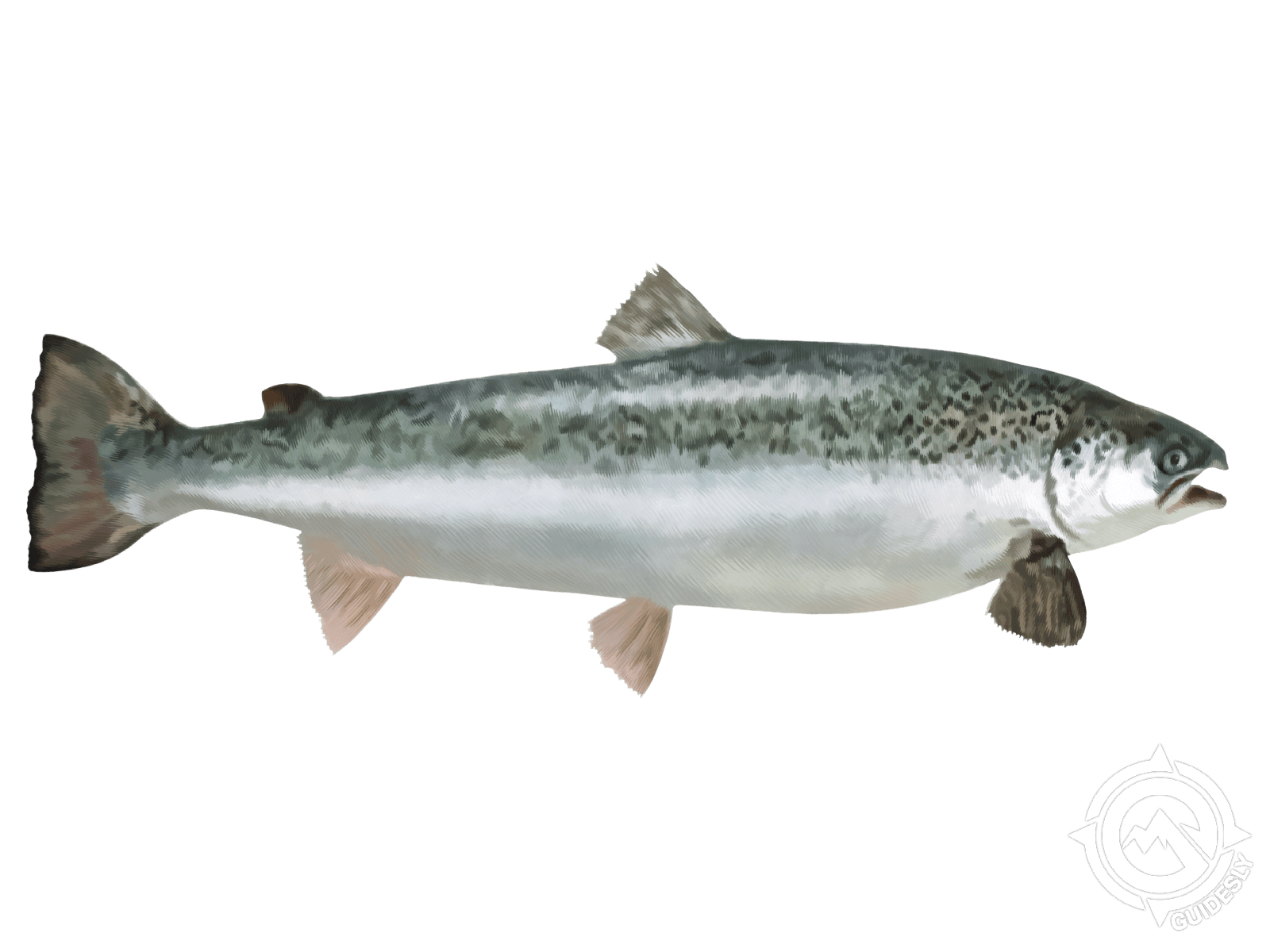
Sea Trout (Salmo trutta), also known as Brown Trout in their sea-run form, belong to the Salmonidae family in the order Salmoniformes. These remarkable fish are distinguished by their silvery coloration, black spots often surrounded by pale halos, and strong fighting ability. In Newaygo County waters this November, they become increasingly active as water temperatures drop, making them a prime target for anglers on the Muskegon River.
Sea Trout Overview
Sea Trout are the anadromous (ocean-going) form of the Brown Trout that migrate between freshwater rivers and larger lakes or seas. Highly prized by anglers for their aggressive strikes and powerful fights, these fish represent one of the most exciting catches in Michigan's river systems. Their ability to adapt to various water conditions makes them accessible to different fishing techniques.
Sea Trout Habitat and Distribution
These fish typically inhabit rivers with good water quality, plenty of cover, and ample food sources. In the Muskegon River system of Newaygo County, they favor deeper pools, undercut banks, and areas with submerged logs or rocks. They migrate from Lake Michigan into tributary rivers like the Muskegon for spawning, creating seasonal fishing opportunities as they move through different parts of the watershed.
Sea Trout Size and Weight
In the Muskegon River system, Sea Trout typically range from 20 to 55 inches in length and weigh between 1 and 6 pounds. The size can vary significantly depending on the fish's age, feeding opportunities, and whether it has recently returned from Lake Michigan where growth rates accelerate.
Sea Trout Diet and Behavior
Sea Trout are opportunistic predators that feed on a variety of prey including smaller fish, insects, crustaceans, and even small mammals that fall into the water. They tend to be most active during dawn and dusk, though cloudy days (like we experienced on our recent trip) can extend their feeding periods throughout the day. They typically hold in deeper water during bright conditions and move to feeding lanes when light levels decrease.
Sea Trout Spawning Season
In Michigan, Sea Trout typically spawn in the fall months (October through December) when water temperatures drop to around 40-50°F. They seek out gravel-bottomed areas with good water flow where females dig redds (nests) to deposit eggs that males then fertilize. Fall fishing in Newaygo County can be excellent as these fish become more aggressive prior to the spawning period.
Sea Trout Fishing Techniques
Several techniques prove effective for Sea Trout on the Muskegon River. Drift fishing with egg patterns or small jigs works well in deeper runs and pools. Fly fishing with streamers that imitate baitfish can trigger aggressive strikes, especially in the early morning or evening hours. Float fishing with live bait suspended beneath a bobber is another productive method. In November around Newaygo County, focus on deeper holes during midday hours and transition areas during periods of low light when fish move to feeding stations.
Sea Trout Is It Good to Eat?
Sea Trout offer excellent table fare with firm, pink to orange flesh that's high in omega-3 fatty acids. The flavor is mild and sweet, similar to salmon but less oily. They can be prepared in numerous ways including grilling, smoking, or baking. Many anglers practice catch and release with larger specimens to preserve the genetic quality of the fishery, while keeping smaller ones for consumption when regulations permit.
Sea Trout Frequently Asked Questions
Q: What is the best bait for Sea Trout?
A: In the Muskegon River, egg imitations, small jigs tipped with waxworms, and minnow-imitating lures are particularly effective. Fly anglers find success with egg patterns, streamers, and nymphs depending on water conditions and time of year.
Q: Where can I find Sea Trout near Newaygo County?
A: The Muskegon River throughout Newaygo County holds Sea Trout, particularly in deeper holes, near structure, and in areas where tributaries enter the main river. Concentrations are highest during spring and fall migration periods.
Q: Is Sea Trout good to eat?
A: Yes, Sea Trout has delicious, firm flesh with a mild, sweet flavor. The meat is typically pink to orange and is excellent when grilled, smoked, or baked with simple seasonings that don't overpower its natural taste.
Q: When is the best time to catch Sea Trout?
A: In Newaygo County, peak Sea Trout fishing occurs during spring (March-May) and fall (September-November) when fish are most active. Dawn and dusk are prime times, though overcast days can produce action throughout the day.
Q: What pound test line should I use for Sea Trout?
A: For Muskegon River Sea Trout, 6-10 pound test monofilament or fluorocarbon is ideal for spin fishing. Fly anglers typically use 3X-5X tippet depending on water clarity and fish size.
Q: Do Sea Trout hit topwater lures?
A: While not as common as subsurface presentations, Sea Trout will occasionally strike topwater offerings during low light conditions, particularly small poppers or wake baits that imitate injured baitfish.